Welcome to You Are Supported (YAS): Your Partner in Recovery
At You Are Supported (YAS), we believe in empowering individuals on their healing journey.
Founded by a team of medical professionals and survivors, YAS was created to fill a critical gap in post-surgery care: providing comfortable, practical, and supportive solutions for those recovering from chest and upper torso trauma.
Our mission is simple—You Are Supported in every step of your recovery, both physically and emotionally.
Introducing our flagship product:
The YAS Bra
Specially designed with your needs in mind, this bra offers
unparalleled support and comfort like no other during your recovery process.
The Ultimate Post Surgery Bra that's adaptable
- Multiple Closures: The bra features a post-surgery bra front closure that allows you to easily wear and remove the garment without strain or discomfort. As well as right and left side closures for those with shoulder impingements or temporary lack of motion for a variety of reasons.
- Velcro, Not Metal: Prefer something even simpler? Our bra also has Velcro closures with 2" widths for comfort, ensuring a secure fit with minimal effort.
- Premium Materials: Made from soft, breathable fabric, this bra minimizes irritation and promotes healthy healing.






- Customizable Fit: Adjustable straps, chest band, closures for a range of sizes to ensure the perfect fit and desired amount of compression for every body type.
FAQS
Who can benefit from wearing this bra?
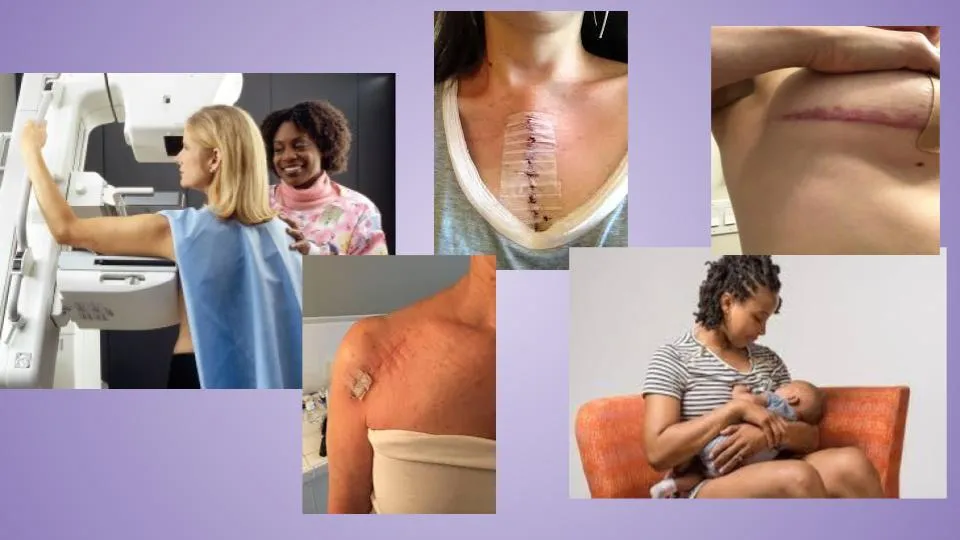
This bra is designed for anyone who has undergone upper torso and chest-trauma, including shoulder impingements mastectomies, lumpectomies, and reconstructive surgeries.
It’s also beneficial for those recovering from biopsies, mastitis, fibroids, calcifications, and even breastfeeding moms who need ice pads or relief from an overzealous mammogram. The bra is designed to provide comfort, breathability, and easy access to JP drains post-surgery.
What features make this bra suitable for post-surgery recovery?
The bra is designed with features that speed recuperation and provide maximum comfort:
- Thick elastic band with two unique drain access points (patent pending) for gentle accessibility and support.
- Front and side openings and strap closures with adjustable, wide luxe Velcro bands for ease of use and breast expansion.
- Breathable, EPA-approved antimicrobial treated mesh lining to support breast and nipple reconstruction.
- Lining pockets in cups and both sides for compression pads, ice and cooling packs to provide post-surgery relief.
- Made of 95% Polyester and 5% Spandex, with plastic buckle adjusters, Velcro, and a wire-free design.
How does this bra support emotional healing?
We understand that healing is not just physical, but emotional as well. That’s why our bras are designed to be comforting and beautiful, helping you feel more confident and supported during your recovery. We strive to build a caring relationship with our customers, offering not just a product, but compassionate support during what may be one of the most challenging times in your life.
Where are these bras designed and manufactured?
Our bras are designed with input from patients and clinicians in the USA to ensure they meet the highest standards of comfort and functionality during recovery.
Recent TitTalk Blogs

Together Through Lung Cancer: Recovering With Connection, Comfort, and Dignity Blog Post
Cancer survivors and caregivers: small victories, shared strength. How connection and dignity shape recovery this World Lung Cancer Day. ...more
Health Advocacy
August 04, 2026•12 min read

Together Through Lung Cancer: Recovering With Connection, Comfort, and Dignity
Cancer survivors and caregivers: small victories, shared strength. How connection and dignity shape recovery this World Lung Cancer Day. ...more
Health Advocacy
August 01, 2026•12 min read

National Minority Mental Health Awareness Month
Medical trauma in marginalized groups runs deep. Learn how dignity, adaptive garments, and self-advocacy help you reclaim control during recovery. ...more
Health Advocacy
July 10, 2026•7 min read
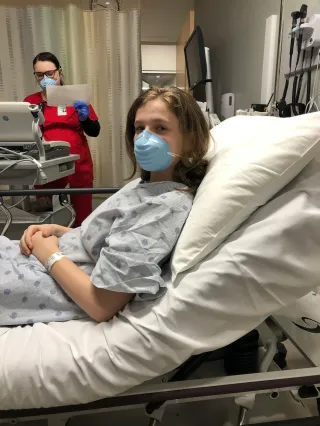
This is Real: PTSD After Surgery
PTSD after surgery in women is real and more common than you think. Learn the signs, the risks, and treatments that actually work. ...more
info ,Health Advocacy
June 22, 2026•9 min read
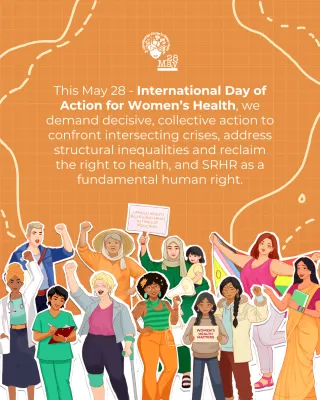
Women's Health Rights 2026: Comprehensive Care Is Essential, Not Optional
Women's health rights 2026: comprehensive care is essential, not optional. From the 1987 origins of May 28 to today's polycrisis, this is the fight that isn't finished. Read. Share. Act. #EssentialNot... ...more
info
May 27, 2026•5 min read
Come Be Social
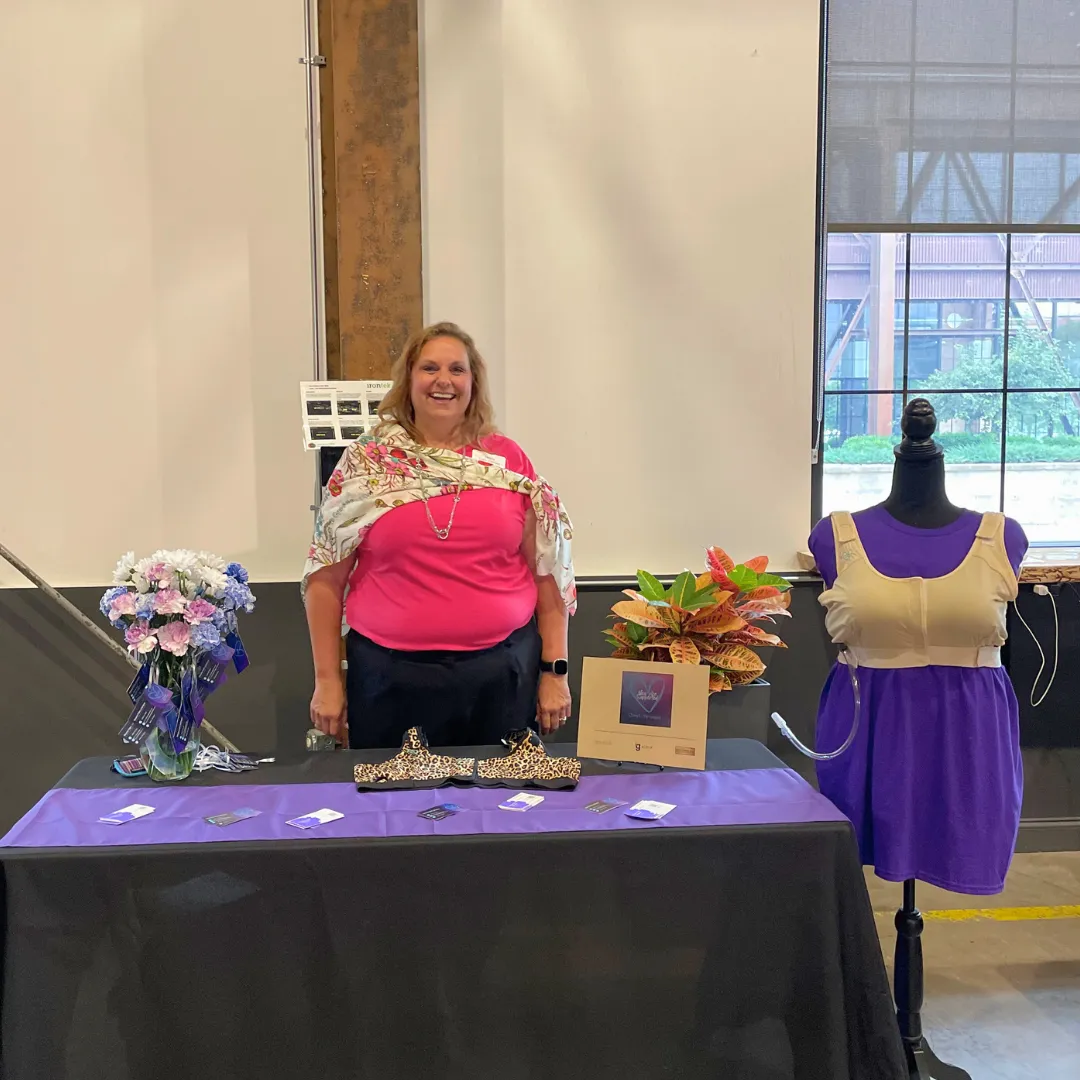
Why did you create this bra?
Hi! I'm Deana!
After undergoing four surgeries on my right breast, I experienced the emotional and physical pain of post-surgery recovery.
The hospital-provided support bras were uncomfortable and lacked any sense of femininity or comfort. I wanted to create something that not only supports physically but also comforts emotionally, with beautiful designs and uplifting colors.
My mission is to provide comforting and comfortable clothing that aids in both the physical and emotional healing process.
Get In Touch
@ Copyright 2024 - You Are Supported LLC All Rights Reserved
Facebook
Instagram